
Working Models: Brewability
How One Restaurant Is Changing What Employment and Accessibility Look Like for Disabled Individuals
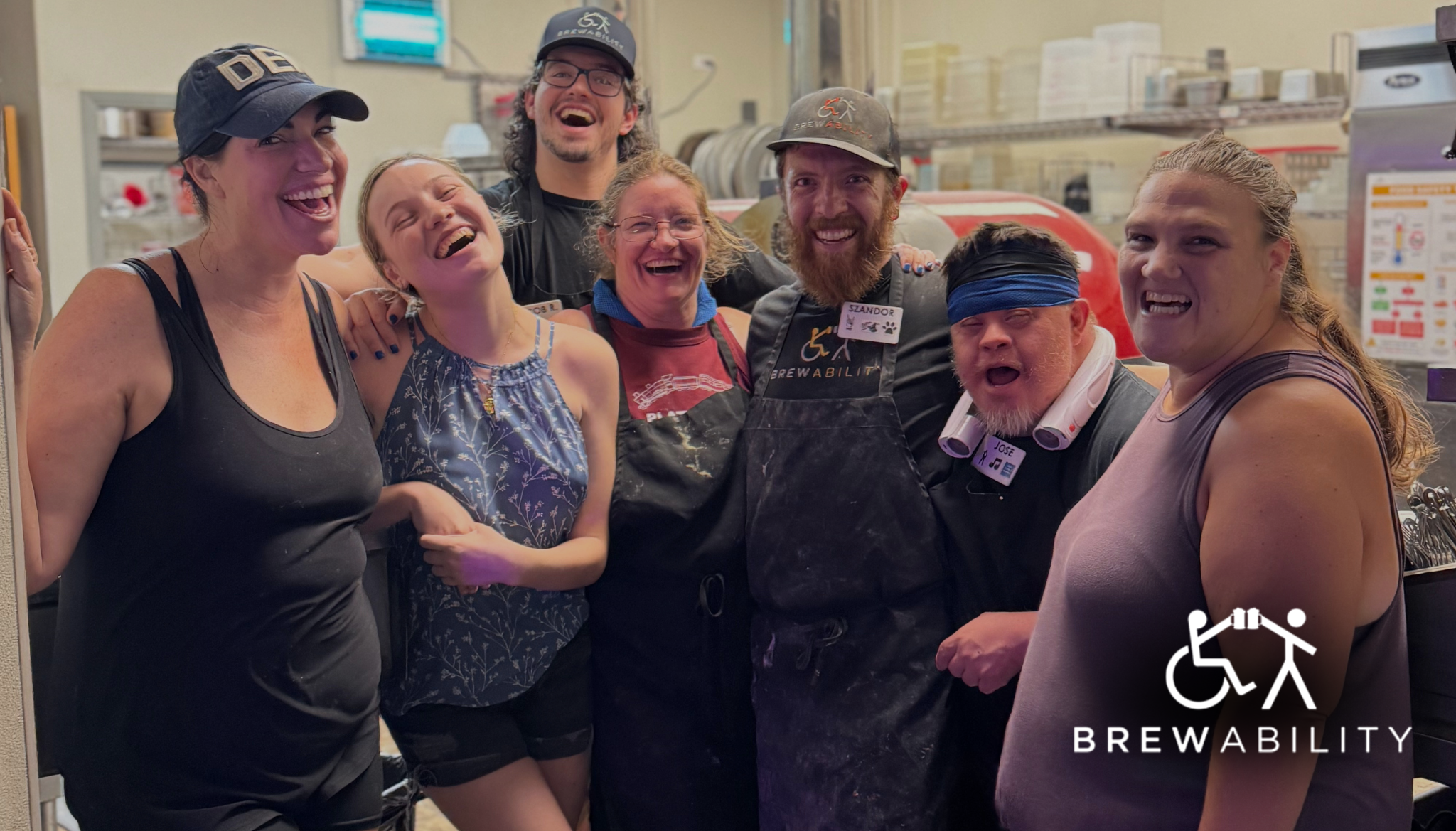
Images Provided by Brewability
Each spring, Tiffany Fixter watched her students reach a milestone that was meant to signal possibility. Diplomas were handed out, families gathered, and the language of readiness filled the room. Yet year after year, she saw what followed.
As a special education teacher, Fixter watched capable, motivated students leave the classroom and encounter a labor market that had little room for them. The skills they had developed, the confidence they carried and the eagerness to contribute were met with silence, low expectations or outright exclusion.
In the United States, adults with intellectual and developmental disabilities remain among the most excluded workers, frequently routed into unpaid programs, short-term placements or segregated labor that offers little stability or upward mobility. So much so that, in 2025, the national unemployment rate for people with disabilities was 8.6% — 2X the national average.
Witnessing this problem first-hand led Fixter to found Brewability, an inclusive pizzeria and brewpub in Englewood, Colorado, created to provide stable, visible employment for adults with intellectual and developmental disabilities.
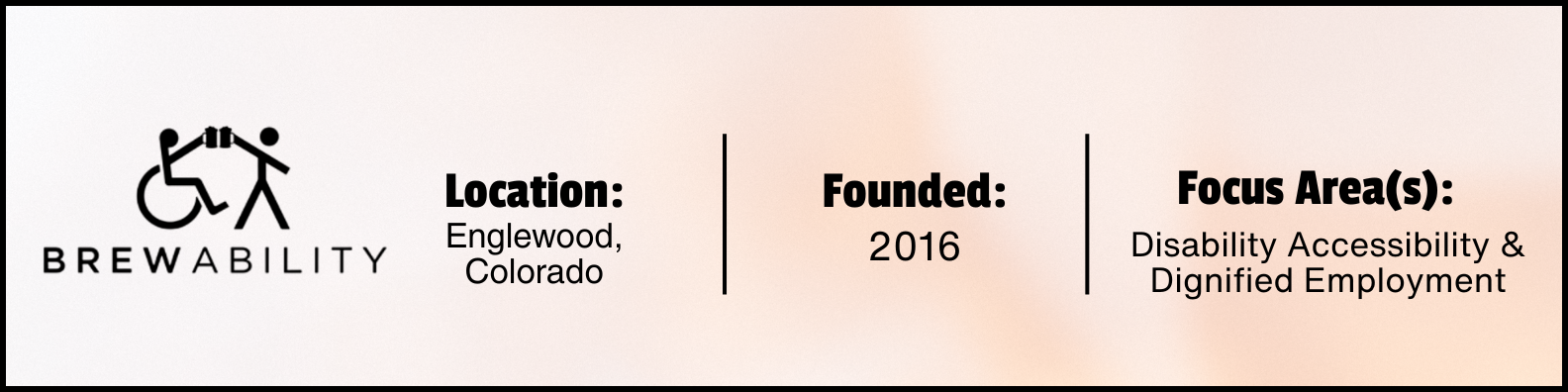
The Mission & Model of Brewability
Brewability is an inclusive pizzeria and brewpub in Englewood, Colorado, built around the idea that meaningful work and community belonging should be widely accessible. The business employs adults with intellectual and developmental disabilities in roles that carry real responsibility, public visibility and trust.
“We primarily employ adults with intellectual and developmental disabilities because they are one of the most underemployed populations in the country,” Brewability Founder Tiffany Fixter told Hyvemind. “Work provides confidence, purpose, and independence. When people are given the right supports and held to real expectations, they thrive.”
Fixter told Hyvemind that Brewability was designed to reduce barriers and support different ways of navigating work and social environments.
Color-coded menus, a picture-based point-of-sale system, a sensory room, a vibrating dance floor and on-demand ASL interpretation are integrated into daily operations. Staff members are encouraged to develop confidence and fluency in their roles, engaging directly with customers and shaping the atmosphere of the brewery.
What Fixter has built through Brewability offers insight into how exclusion is maintained and how it can be undone. The barriers her former students encountered were embedded in assumptions about speed, communication, standardization and risk. These assumptions shape hiring practices, workplace design and performance expectations across much of the service economy, which narrows who is considered employable.
“One of the biggest systemic barriers we face is stigma,” Fixter revealed. “There’s still a very real and unfortunate assumption that adults with disabilities don’t belong in food service or can’t meet high standards. We work every day to challenge that by holding ourselves to exceptional standards in food quality, food safety and cleanliness.
“Our staff doesn’t lower the bar, they raise it.”
The significance of Brewability as a Working Model, in our opinion, lies in its ordinariness. It operates simply as a neighborhood pizzeria and brewpub tather than a separate employment program or pilot initiative.
By embedding inclusive labor practices into a familiar setting, it makes visible how many exclusions are sustained less by necessity than by habit. The result is a business that expands participation through design, and in doing so, reframes how work, responsibility and belonging are distributed in public life.
3 Ways You Can Help Support Brewability
Visit their Website & Ability to Access:
Follow Brewability on Social Media and Amplify their Mission:
Buy Merch:
This feature was published as part of HYVEMIND’s Working Models series: stories from the people and organizations reshaping care, community and system repair.
We’re always looking to highlight organizations, collectives, and community experiments that are changing how care, work and wellbeing are built. If your team is running a program or initiative that others could learn from, we’d love to hear from you.
To be featured in an upcoming story, send a us note: hello@thehyvemind.com
