
How to Get Into Local Politics: A Practical Guide to Power, Process and Impact
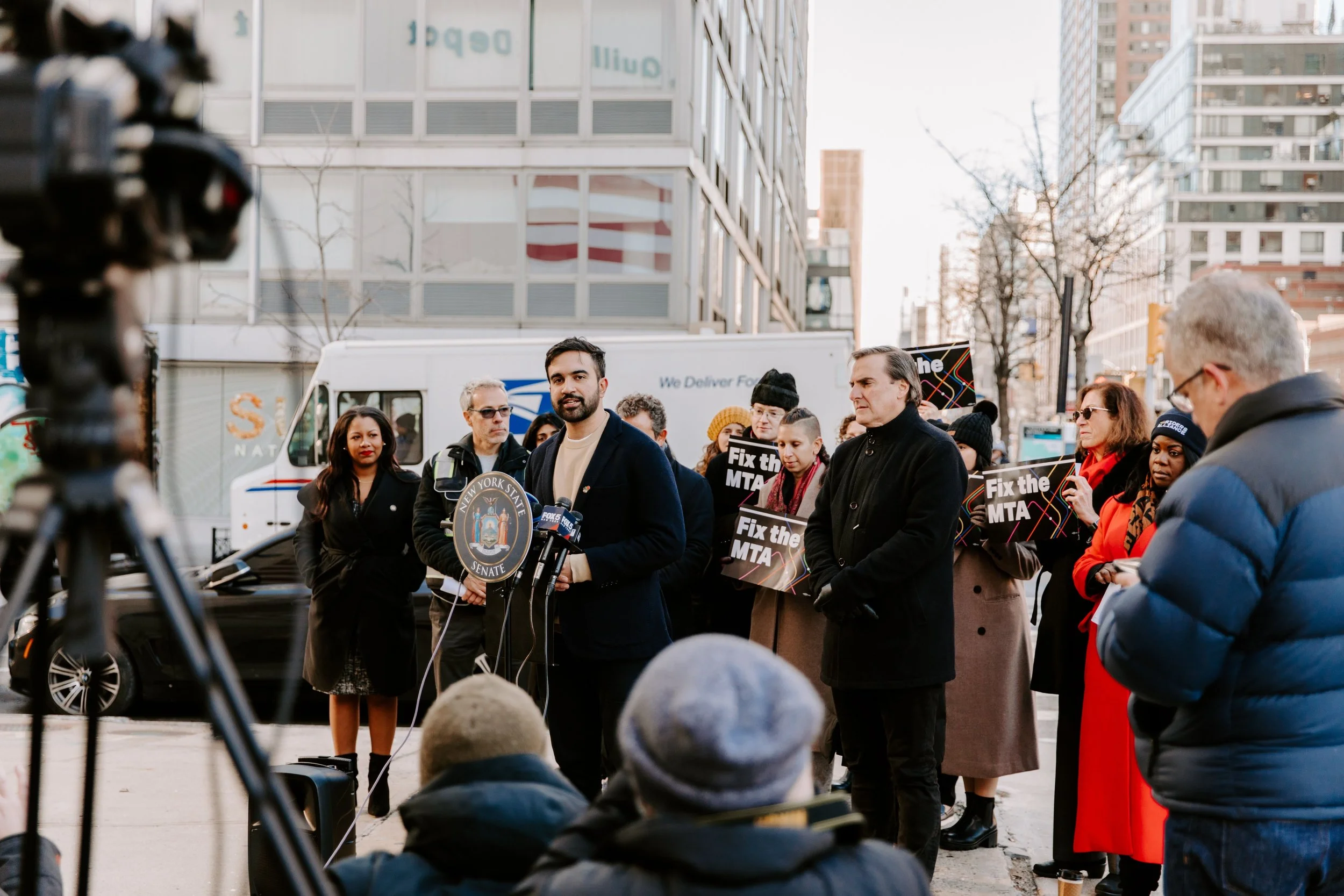
Photo credit: Kara McCurdy
Local government is where power becomes tangible. It’s where budgets decide who gets resources, where zoning determines who gets to live where and where public systems either hold or break under pressure. Understanding how to get into local politics starts with understanding how power works at this level.
The scale is smaller. The distance between decision-makers and residents is shorter. The margin for change is often a handful of votes, a single meeting or a budget amendment that shifts resources in a new direction.
This proximity creates responsibility. It calls for candidates who are rooted in their communities, who understand the systems they are stepping into, and who are prepared to navigate both the visible and invisible forces shaping local governance.
It also opens real possibility. Local office can serve as a proving ground for leadership that centers collective well-being, resource equity, and long-term community stability.
These approaches can influence neighboring districts, inform broader movements and reshape expectations of what governance can deliver.
Getting involved is built through relationships, consistency, and a willingness to engage deeply with the realities of a place and its people.
This guide walks through the real pathways, structures and steps required to move from interested citizen to active participant in local government.
Why Local Politics Matter
Local politics determines how resources are distributed across a community. It shapes housing access, school quality, public safety and infrastructure.
These decisions often reflect long-standing power structures and impacts who has influence, who gets heard and who is left out.
Understanding how to get into local politics creates an opening to challenge those patterns. It creates a pathway for people rooted in their communities to step into decision-making roles and push for policies that reflect collective needs rather than narrow interests.
Most local elections are low-turnout and lightly covered. That creates real opportunities for candidates who are willing to organize, show up consistently and build trust.
Step 1: Choose an Office Where You Can Actually Shift Power
If you want to understand how to get into local politics, start by identifying where decisions are made on the issues you care about.
Rather than a single entry point, local government is a network of overlapping systems, each controlling a different piece of daily life.
At a structural level, local government in the U.S. includes municipal, county, school district and special district entities, each with distinct authority and budgets.
City Council and Mayor:
City councils are often the most direct point of entry for people learning how to get into local politics.
Councilmembers typically:
Pass local laws and ordinances
Approve and amend the city budget
Decide funding levels for housing, policing, infrastructure, and public services
Oversee city departments
The budget is the core lever. Once passed, it becomes a binding plan that determines what a city can and cannot do.
Mayors hold different levels of power depending on the city structure. In some cities, they control administration and budgets directly. In others, they serve more as a political leader while a city manager handles operations.
Where this matters:
Housing policy and zoning decisions
Public safety funding and structure
Economic development and local business policy
Climate and infrastructure investments
If your focus is on how resources are allocated across a city, this is often where the most visible leverage exists.
County Government: The Overlooked Backbone of Public Systems
County roles are often underestimated in local politics, even though they control critical services.
County commissioners or supervisors typically oversee:
Public health systems
Jails and parts of the justice system
Elections administration
Roads, infrastructure, and regional planning
Social services and safety-net programs
Counties often manage the systems people rely on during moments of crisis, such as health care access, emergency response and basic services.
Where this matters:
Mental health and public health infrastructure
Criminal justice and incarceration policy
Access to social services
Election integrity and administration
If your work centers on care systems or regional infrastructure, county government often holds more power than city-level offices.
School Boards: Control Over Education and Community Direction
For those thinking about getting into local politics through education, school boards are one of the most direct paths.
School board members typically:
Set district policy and priorities
Approve budgets and resource allocation
Hire and oversee superintendents
Influence curriculum direction and standards
They represent the community’s voice in public education and shape how resources are distributed across schools.
Where this matters:
Equity in school funding
Curriculum decisions and educational standards
Teacher support and staffing
Student services and community engagement
School board races are often low-turnout and highly local, which creates real openings for candidates with strong community ties.
Special Districts: The Control Centers of Daily Life
Special districts are one of the least visible but most powerful entry points when considering getting into local politics.
These include boards that govern:
Water systems
Electric utilities
Public transit
Fire protection
Resource management
They often control essential infrastructure and set rates that directly affect cost of living.
Where this matters:
Utility pricing and access
Climate and energy policy
Infrastructure investment
Resource distribution
These races frequently have low voter awareness and turnout, which means organized candidates can have outsized impact.
Boards & Commissions: Local Entry Points
For those earlier in the process of local politics, appointed boards and commissions offer a strategic on-ramp.
These can include:
Planning and zoning commissions
Budget or finance boards
Housing authorities
Parks and recreation boards
While they may not pass laws directly, they:
Shape policy recommendations
Influence major development decisions
Build relationships with elected officials
Create visibility and credibility
Many elected officials begin here. These roles provide direct exposure to how decisions are made and where influence actually sits.
Where to Begin
Choosing where to enter local politics comes down to one question: where is the leverage over the issue you care about?
If your focus is housing, zoning boards and city councils hold influence.
If your focus is education, school boards shape outcomes.
If your focus is healthcare or public safety systems, counties often control those decisions.
If your focus is affordability, utility and special district boards may have more direct impact than city leadership.
Step 2: Build a Base First
People exploring how to get into local politics often assume the first step is launching a campaign.
In practice, the strongest candidates build a base first.
That can look like:
Organizing around housing, education or public services
Supporting other campaigns
Becoming a consistent presence in community spaces
These experiences build relationships and credibility. They also reveal how decisions get made behind the scenes. Local politics rewards people who are already known and trusted.
Step 3: Navigate the Rules Without Getting Tripped Up
A key part of getting into local politics is mastering the technical side of running.
Every city and state has its own requirements:
Filing deadlines
Eligibility rules
Petition signatures or filing fees
Campaign finance regulations
These systems are often complex. They can discourage first-time candidates, especially those without institutional backing.
Treat compliance as infrastructure. Start early, use official election offices as your source of truth, and build a campaign that meets every requirement from day one.
Step 4: Run a Campaign That Reflects the Community
Getting into local politics requires building a coalition strong enough to win and grounded enough to carry the work forward once the campaign ends.
Local campaigns operate through proximity. People support candidates they recognize, trust and feel accountable to. That trust forms through repeated contact, shared experiences and a clear understanding of what people are navigating in their daily lives.
A campaign that reflects the community demonstrates alignment through action, presence and consistency
Start With a Message Rooted in Lived Reality
Strong local campaigns begin with issues that are already shaping people’s lives:
Rising rent and housing instability
School funding gaps
Limited access to public services
Utility costs and infrastructure strain
A campaign message connects these conditions to what the office can actually influence. That connection signals competence and clarity.
Voters are looking for candidates who understand both the problem and the system that governs it.
Build a Coalition That Moves With You
Getting into local politics requires thinking beyond reach and toward relationships.
What a coalition actually does
Coalitions often include
Door-to-Door Outreach Builds Trust and Momentum
Direct voter contact remains one of the most effective ways to increase turnout in local elections.
Door-to-door canvassing creates space for real conversations. It allows candidates to hear concerns directly, respond in real time, and build familiarity across neighborhoods.
In many local races, a relatively small number of conversations can influence the outcome. That makes fieldwork one of the most important investments a campaign can make.'
Zohran Mamdani and the Power of Local Organizing
The 2025 NYC mayoral campaign of Zohran Mamdani offers a clear example of what a community-centered approach can look like in practice.
What shaped the campaign
The campaign prioritized presence across neighborhoods. Volunteers carried the message into their own networks, expanding reach through relationships rather than relying on broad visibility alone.
This approach created density. Voters encountered the campaign multiple times through conversations, community spaces and trusted messengers.
Build a Volunteer Engine That Expands Reach
A campaign grows when supporters take on active roles.
That includes:
Training volunteers to canvass and communicate clearly
Creating defined roles that people can step into
Maintaining systems for follow-up and continued engagement
Inviting supporters into the rhythm of the campaign
When volunteers feel ownership, the campaign becomes embedded within the community rather than operating at a distance.
Align Strategy With the Reality of Local Elections
Local elections often involve
- Lower turnout
- Limited media coverage
- Smaller margins of victory
A focused campaign responds by
- Identifying likely supporters early
- Building a clear path to turnout
- Maintaining consistency in message and presence
- Reaching voters multiple times before Election Day
Presence Creates the Path to Winning
Getting into local politics includes recognizing how much influence comes from simply showing up.
Candidates who spend time in the community, listen closely and remain visible across different spaces build stronger connections with voters.
Consistency turns recognition into trust, trust turns into support and support turns into turnout. This is the sequence that carries a local campaign across the finish line
Step 6: Build a Timeline and Stay Disciplined
Building a campaign takes time
Anyone serious about entering local politics needs to approach a campaign as a long-term project, with each phase building toward the next.
Research, relationship-building, early organizing
Campaign planning, fundraising groundwork
Public launch and voter outreach
Intensive voter contact and turnout efforts
Step 7: Fund the Campaign Without Losing the Plot
Grassroots campaigns are funded by the same people they aim to represent. That creates a different kind of relationship between candidate and community.
Common sources include:
Small-dollar donations collected online or in person
Contributions from friends, neighbors, and local supporters
Community-led fundraising events like house gatherings or neighborhood meetups
Recurring donations that provide steady, predictable support
These contributions may be modest individually, but they add up through volume and consistency. More importantly, they reflect real buy-in from the community.
Step 8: Govern With the Same Intent You Campaigned On
Winning office is one part of how to get into local politics. The next step is using that position effectively.
Local officials shape outcomes through:
Budget decisions
Policy design
Oversight of public systems
The most effective leaders stay grounded in the communities that brought them into office. They track outcomes, communicate clearly and remain accessible.
Your Path for Getting Into Local Politics
Local politics rewards proximity and persistence. The people who commit to the work, remain present across different spaces and follow through on what they say build the kind of momentum that carries a campaign forward and sustains it once in office.
A clear path forward
For those ready to move, the process unfolds step by step.
Identify the issue you want to change
Map where decisions about that issue are made
Build relationships and credibility in that space
Learn the legal structure and election rules
Run a disciplined, community-centered campaign
Govern with accountability and measurable impact
For those willing to take it on, this is a path that connects individual effort to collective impact—one decision, one relationship and one community at a time.
Candidate training and civic organizations
EMILY’s List Training Center
Training programs focused on campaign strategy, fundraising and leadership.
Local Progress
Trainings, webinars and a national network for local elected officials and candidates.
League of Women Voters
Voter education tools and guidance for candidate forums and public engagement.
