How I Forgot What It Means to Be Human
On Sleepwalking Through Modern Life—and Waking up to the Fragile Web that Makes It Possible
I’m going to tell you something that might sound a little embarrassing for a grown man to admit. For the first fifty years of my life, I never once—not a single time—sat down and asked myself what it actually means to be human.
And it’s not because I’m not a curious guy. I am. I’ve built businesses, navigated a career and raised a family. But that question? It just never made it to the top of the pile. And I think the same might be true for you.
So pull up a chair. Let me walk you through how I finally stumbled into this question, and why I think it might be one of the most important conversations we can have with each other.
We’re All Running on Autopilot
Here’s what happened to me, and tell me if this sounds familiar. I was living a perfectly normal, modern, busy life.
I had a dozen screens open on my desktop, a calendar packed to the edges and a brain that was trained to juggle ten things at once. That’s just how we operate now, right? We multitask. We keep the big, interesting problem front and center, and everything else gets pushed into the background. It runs on autopilot.
And autopilot works. It really does. It lets you be productive. It lets you handle more than one thing at a time. But here’s the catch, and it’s a big one: autopilot runs on expectation. It assumes everything is going to keep going the way it’s always gone. The moment something changes, autopilot can’t handle it, because change requires your conscious attention—and your conscious attention is somewhere else entirely.
Let me give you an example you’ll probably laugh at because it’s happened to you. You’re leaving work. You call home. Your honey bunny says, “Hey, can you pick up a carton of eggs and a bottle of wine? It’s been that kind of day.” You say, “Absolutely.” You get in the car. But then your mind latches onto some nightmare you’ve got to deal with at work tomorrow morning, and the next thing you know, you’re sitting in the driveway. No eggs. No wine. The supermarket came and went, and you drove right past it because your route home was on autopilot, and autopilot doesn’t stop for groceries.
Now, that’s a small thing. Annoying, sure, but small. Where it gets serious is when we start doing this to each other.
When the People We Love Turn Grey
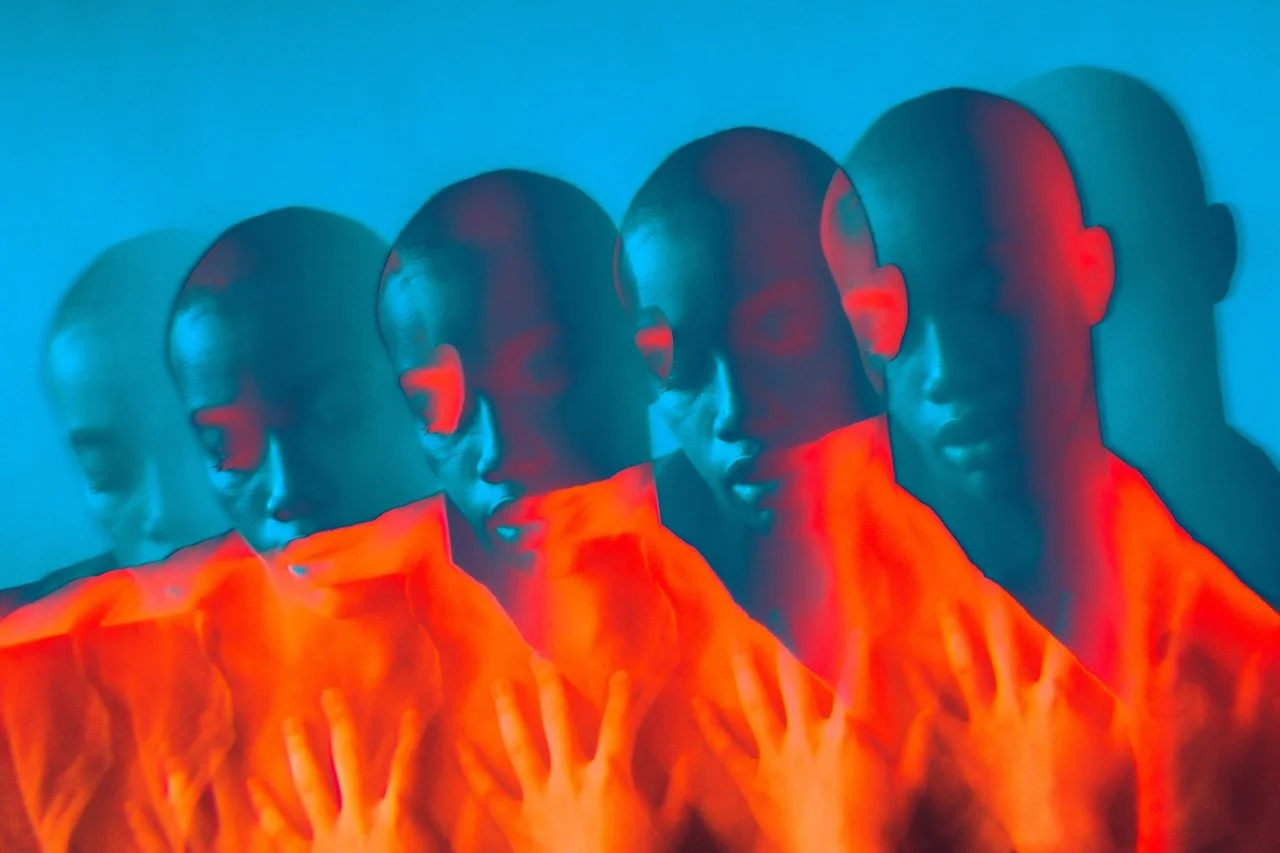
Think about this for a second. When you wake up next to the same person every morning, when you see your kids at the same dinner table every night, something sneaky happens. You start to think you already know what they’re going to say, how they feel and what they need. You stop really looking. They become part of the background—part of the autopilot. And in your mind, they turn grey. Not because they’ve stopped being interesting, vibrant people. They haven’t. It’s because you’ve stopped noticing. You’re running on last week’s data, and meanwhile, they’ve changed. They’re always changing. We all are.
That’s how we often lose each other in relationships. Not through some dramatic blowup, but through this act of putting another human being on autopilot. I call it our self-imposed Truman Show: a world built entirely on expectations, where nothing surprises us because we’ve stopped allowing it to.
The Stuff We Take for Granted
But I want to take you somewhere even deeper, because this is where it really changed things for me. It’s not just our relationships we put on autopilot. We do it with our survival itself.
Since you started reading this, you’ve taken a whole bunch of breaths. Did you notice any of them? Probably not. We go days, weeks, sometimes months without ever consciously thinking about the fact that we’re breathing.
And when things get stressful, our breathing gets shallow, our chest tightens and we just push through it—until somebody reminds us to stop and take a deep breath.
And then it resets everything. But here’s the thing: in between those moments, we’re running our most basic survival functions on autopilot, barely managing them and never giving them a second thought.
Water is the same way. We don’t think about it until the tap runs dry. And because modern life provides these things so reliably, they fall completely out of our awareness. Our survival becomes something we take for granted, which is fine, until it isn’t.
We Don’t Survive Alone
And that brings me to the thing I really want you to sit with, the idea that finally cracked me open when I was going through my own crisis in my fifties. Here it is: you and I do not produce the conditions we require to live. Not one of us does. Not the richest, most self-reliant person you know.
We can’t survive without bees. Without pollinators, our food supply vanishes. Our food supply is other species—plants, cows, fish, you name it. We can’t survive without the thousands of people we’ll never meet who pave our roads, grow our food, clean our water and keep the electricity running to our houses. We can’t survive without the natural environment that holds the whole thing together. We breathe in oxygen; the trees breathe in our carbon dioxide and give us more oxygen.
We live interdependently. And I know that word can sound abstract, so let me make it concrete. During COVID-19, the United States—with about four percent of the world’s population and some of the greatest wealth on the planet—ended up with roughly twenty-five percent of the world’s COVID deaths. How does that happen? Because for decades, the quality of the food reaching most American families had been degraded to the point that our allies in Europe and Canada wouldn’t even allow it to be imported. Our health was already compromised before the virus ever arrived. One critical piece of that web of contributors failed us, and we paid for it with our lives.
Now stretch that out to every big problem we face—climate change, biodiversity loss, public health. Every one of them traces back to the same pattern: we made conscious decisions without ever considering the impact on the systems that keep us alive, because those systems were running in the background, on autopilot and out of sight and out of mind.
The Lesson Juno Teaches Me Every Day
Alright, I want to lighten this up for a second by introducing you to someone. Her name is Juno. She’s my dog, and she’s lying right behind me as I write this.
Here’s my question: why do our pets give us unconditional love? I mean, really think about it. You look at your dog or your cat, and they look back at you like you’re the whole world. Why? The answer is so simple it’s almost funny. They’re not confused about who takes care of them. That’s it. They know, with zero hesitation, that their life depends on you, and they love you completely and unconditionally for it.
When I went through my crisis and finally started asking myself what it means to be human, I realized I needed to learn from Juno. Because once you truly see how much of your life is made possible by other people, other species and the natural world holding it all together, the only response that makes any sense is love. Not the sentimental kind you put on a greeting card, but the practical, clear-eyed kind—the kind that says, “I will not harm the hands that feed me. I will not take for granted the people and the systems that make my life possible.”
So What Does It Mean to Be Human?
I’ll tell you what I’ve landed on, and it’s not complicated. Being human means never taking for granted everyone and everything that contributes to making your life worth living. It means recognizing that you can’t receive all you receive—every meal, every breath of clean air, every safe road, every act of care from a stranger you’ll never meet—and then roll over and go to sleep while the very people and systems supporting you are suffering.
It means questioning the stories we tell ourselves about freedom and independence and self-interest, not throwing those ideas away, but being honest about the fact that none of them hold up if we pursue them at the expense of the web of life that makes everything else possible.
And it means doing something that sounds so simple you might be tempted to brush it off: love unconditionally everyone and everything that contributes to you living your life every day.
I know. It sounds like something you’d read on a bumper sticker. But truth has a way of being that simple. The hard part isn’t understanding it. The hard part is living it.
So here’s what I’m asking you to do. Take this question—what does it mean to be human?—off autopilot. Bring it forward. Let it sit in the front of your mind for a while. Let it bump up against the decisions you make today and tomorrow and next week. And if it changes something for you the way it changed something for me, I’d love to hear about it.
Because that’s what Breadcrumbs is all about. These are small markers on the trail of life. Follow them, and they will lead home.
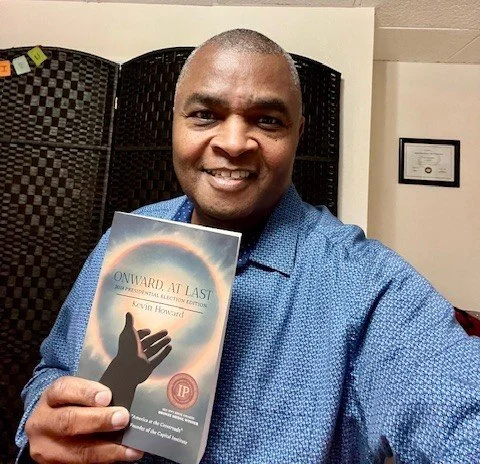
To hear more from Kevin Howard, check out his Podcast Breadcrumbs, available on Youtube and your favorite podcast streaming platforms.