For Molly Renze, Clowning Became the Place Where Awkwardness, Humor and Femininity Could Finally Coexist
Onstage, Molly Renze discovered that the traits she once questioned were the ones audiences loved most.
Images Provided by Molly Renze
Before Molly Renze found clowning, she had already spent years onstage.
She studied acting, performed in theater productions and founded an improv team while she was in college. She knew how to command a laugh and how to hold an audience’s attention.
What she had not yet learned was how to allow herself to be fully seen.
For much of her early life, Renze understood herself in partial terms. She knew she was funny and quick witted. She could make all the boys in her grade laugh.
But beauty, at least in the way girls are taught to recognize it, always seemed to belong to someone else.
In school productions she rarely played the ingénue. She was cast as witches, grandmothers and eccentric characters. The princess roles went to other actresses, although Renze did not resent it.
“The characters I got to play were often more interesting,” Renze told Hyvemind in a recent interview. “And I was good at them.”
She grew up attending Catholic school and remembers her younger self as a disciplined and tightly wound tomboy who followed rules and held herself to high standards.
But it was humor that became the trait she trusted most. It gave her a social foothold during a childhood where she often felt slightly out of alignment with conventional expectations of girlhood.
“I always knew I was funny,” she said. “That was the thing I felt confident about.”
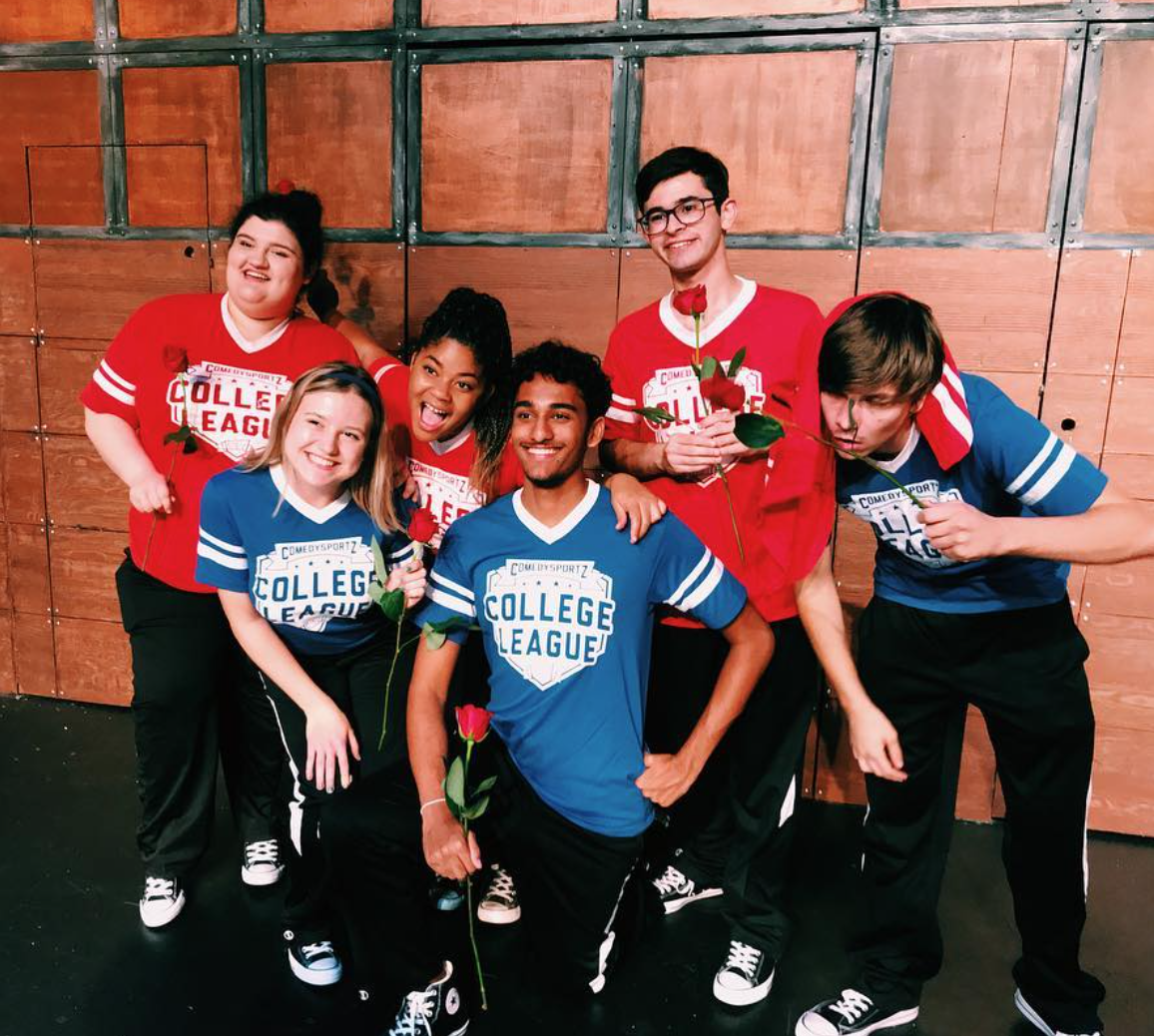
Comedy entered Renze’s life through improv during high school and continued into college, where she eventually started an improv group of her own. The work sharpened her instincts for spontaneity and audience connection, though she still imagined herself pursuing a traditional acting career.
Clowning had not yet entered the picture. But that changed in 2020.
Through a family connection she learned about a Los Angeles clown performer named Natalie and a mentor of hers, Chad Damiani, a well-known figure in the city’s contemporary clown community. Renze watched a video of Natalie performing onstage as an absurd physical character and immediately felt drawn to the form.
“I had never seen anything like it,” she said. “It was physical and weird and funny in a way that felt completely different from acting.”
Renze attended a live outdoor performance during the pandemic, when public gatherings were still rare. She was captivated by the immediacy of what she saw. The performers were not separated from the audience by a fictional world or a carefully scripted story. The entire experience unfolded in direct conversation with the people watching.
After the show Renze approached the performers and asked if she could help in any way. She offered to intern, even though no such role formally existed, and soon found herself immersed in the Los Angeles clown scene.
“The community felt different from the competitive environments I had experienced in acting and improv circles,” she revealed.
Stand-up comedians, she told us, often compete to write the sharpest material, and improv performers often compete for coveted spots on established teams.
But clowning operates completely differently. The form places unusual emphasis on the relationship between performer and audience.
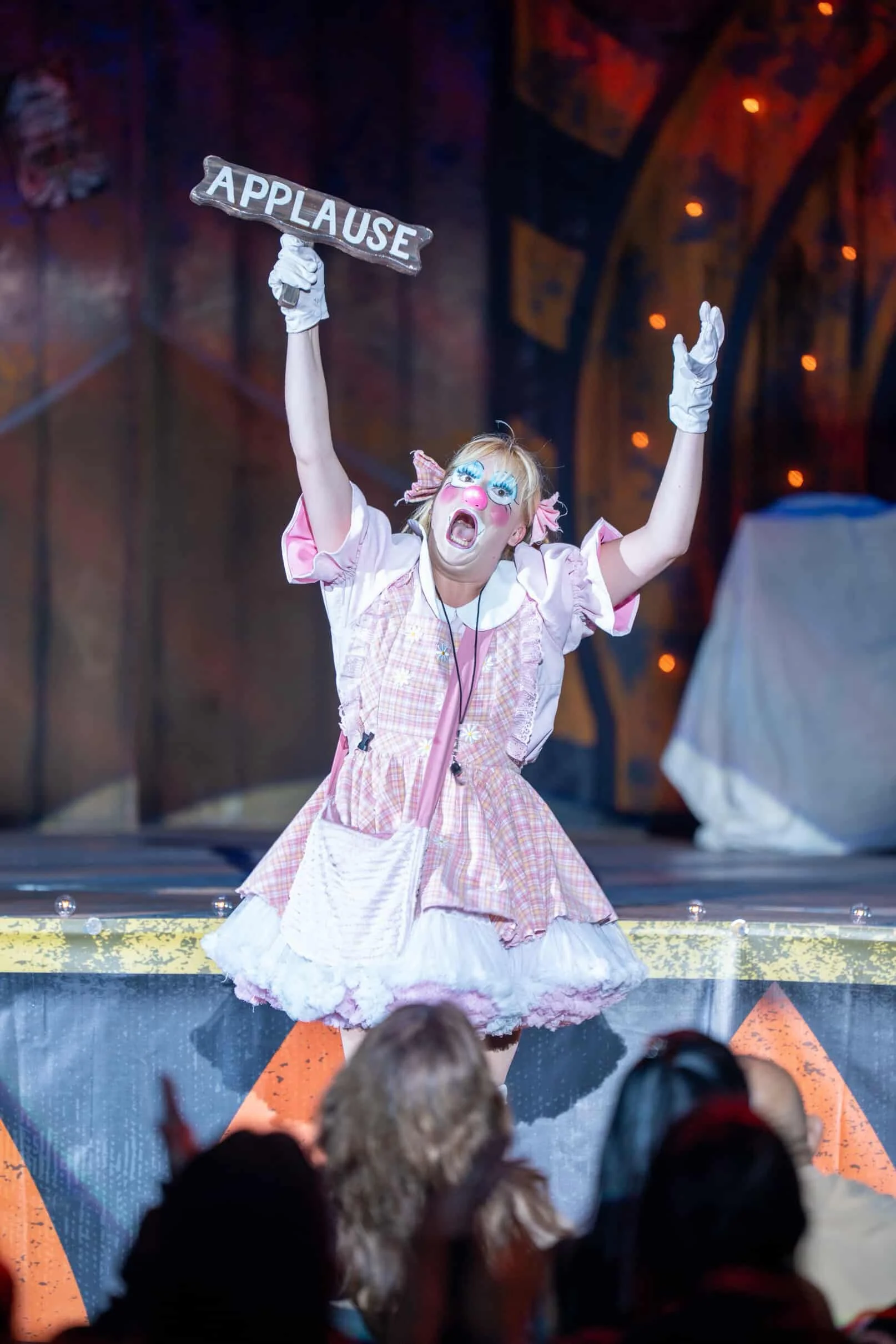
A clown steps onstage without a scripted narrative to shield them from the room. The audience becomes an active collaborator, shaping the performance through laughter, silence and subtle shifts in attention.
“They show you what they like and what they don’t,” she said. “You have to listen to them.”
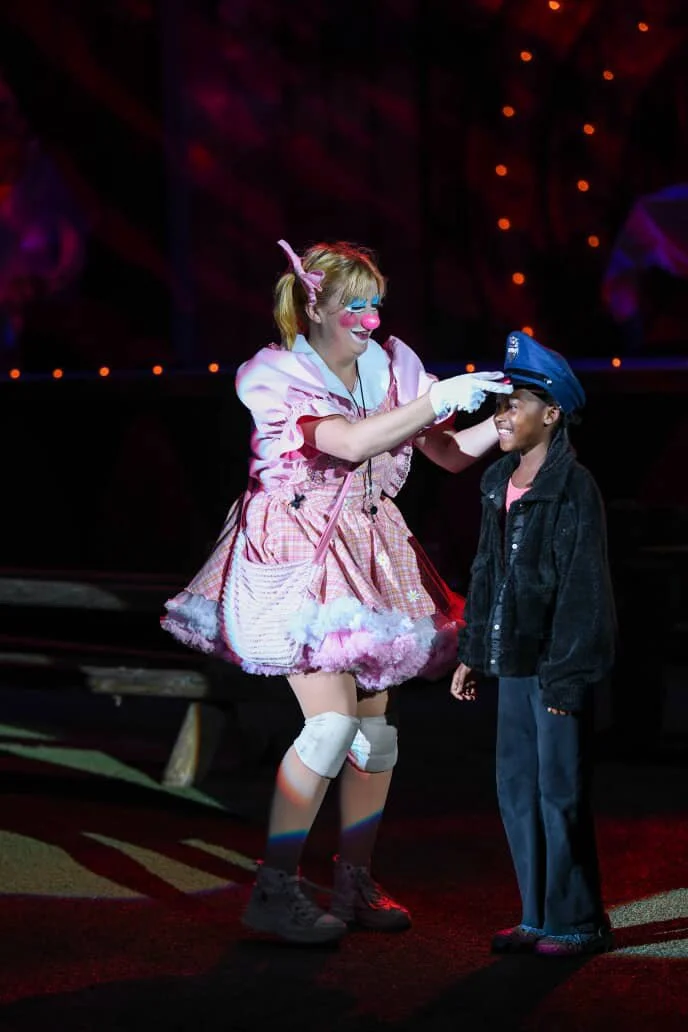
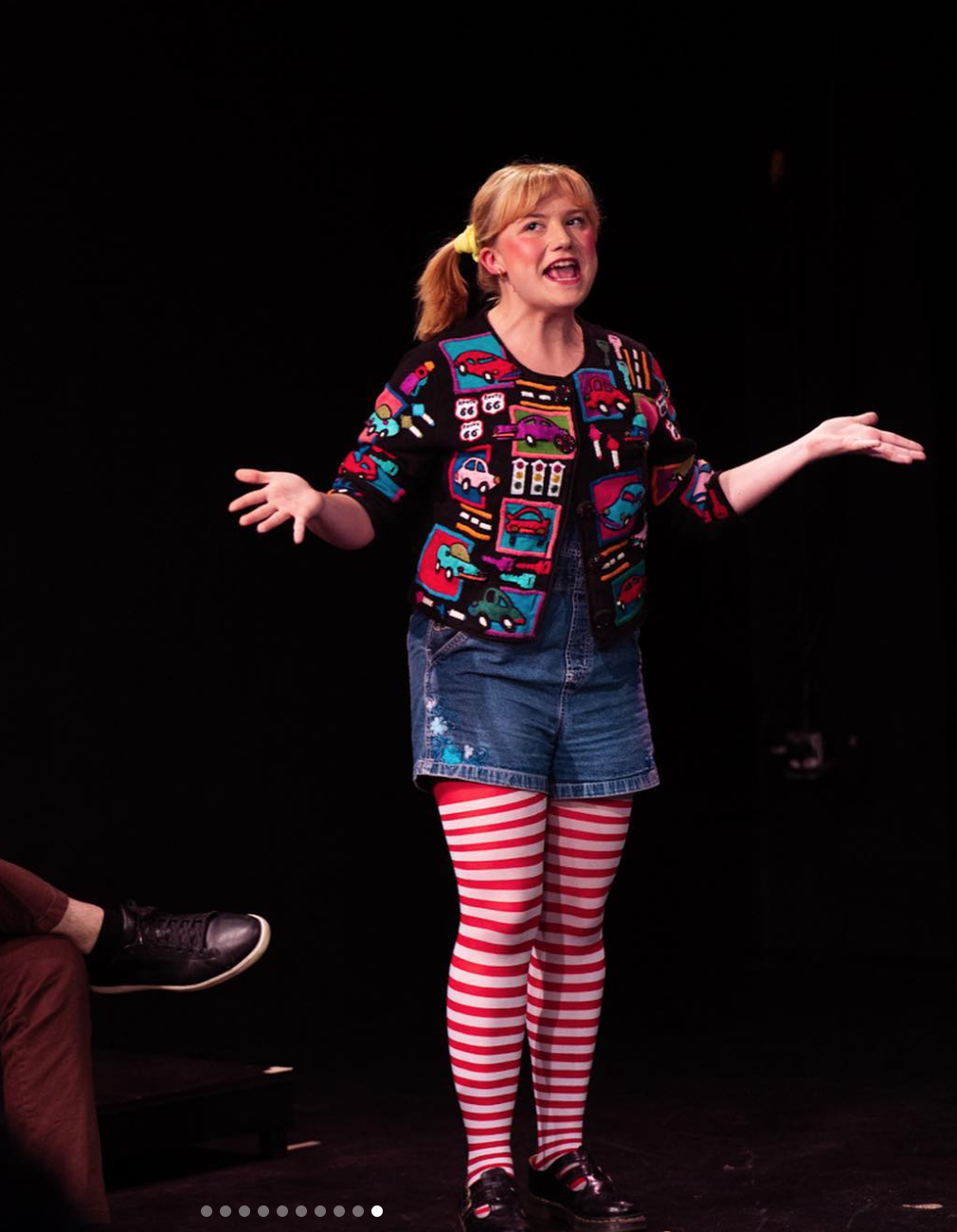
Learning to perform within that exchange reshaped her relationship with the stage. It also began to reshape how she understood herself.
Renze told Hyvemind that, at first, she relied heavily on costumes.
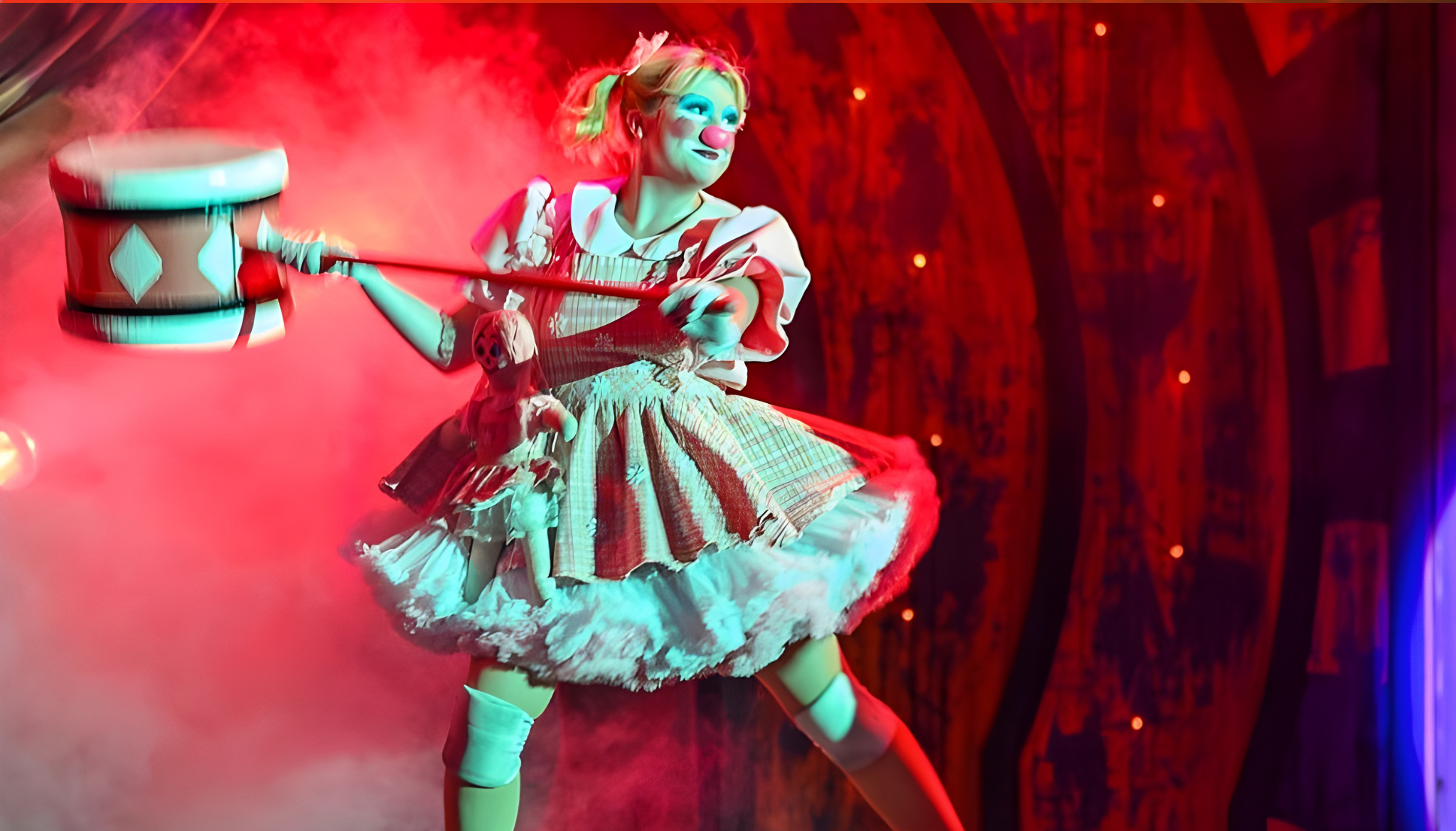
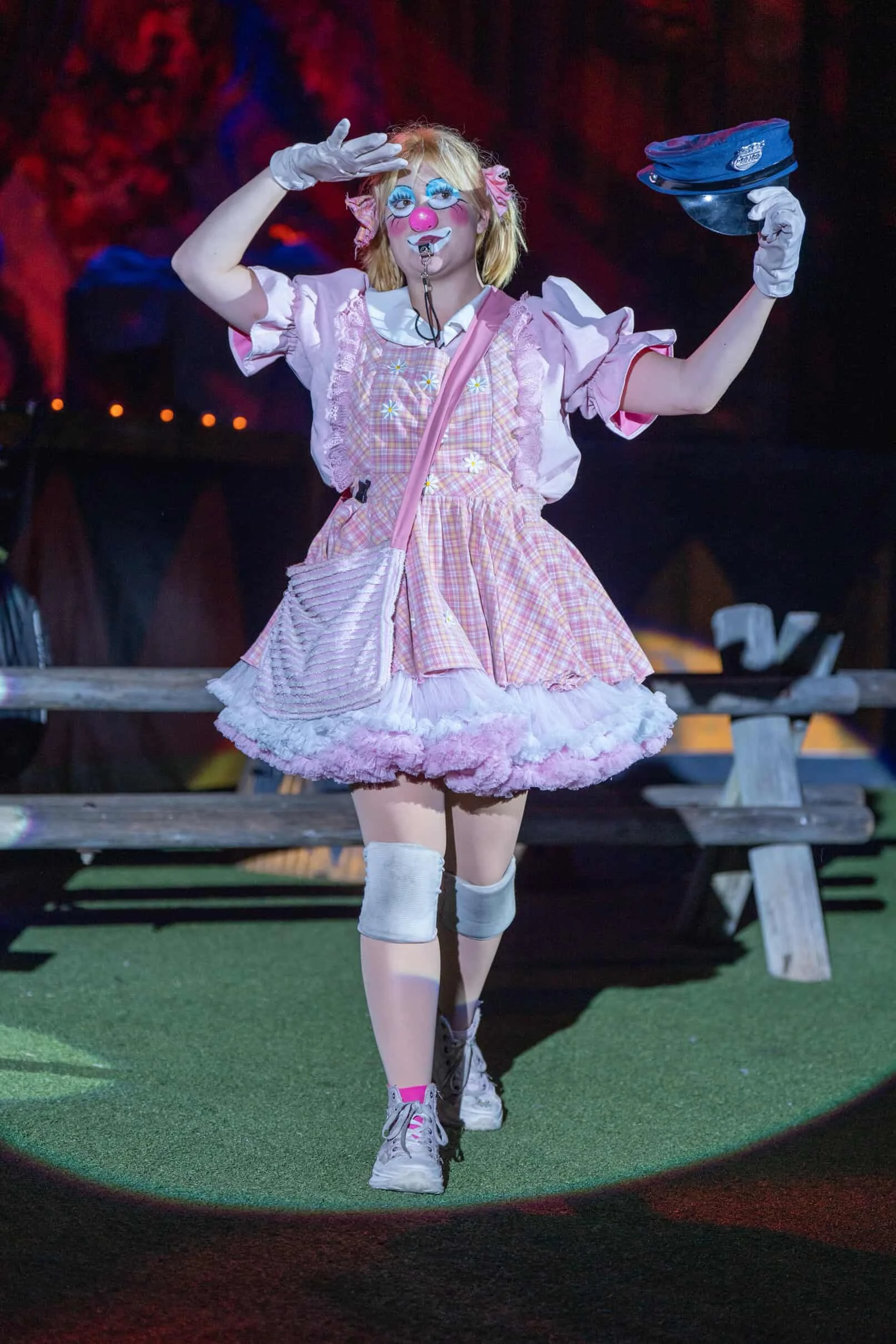
Oversized outfits, exaggerated silhouettes and theatrical props gave her a sense of freedom onstage. The visual chaos created distance between herself and the audience, a playful disguise she could step inside.
But over time she began removing those layers. The change, she says, was partly practical and partly instinctive. Clowning places unusual emphasis on the performer’s direct relationship with the audience, and Renze grew curious about what would happen if less stood between them.

What surprised her was that the connection remained.
Without the costumes, the performance depended more directly on her expressions, her body and the small emotional signals exchanged between performer and crowd. The connection felt more immediate and, at times, more exposing.
“In clown, failure has a name: the flop,” Renze revealed.
For performers with perfectionist instincts, the experience can feel brutal. Renze remembers how strongly she once reacted to criticism in acting classes, where even small notes from instructors could bring her to tears.
Clowning reframed the experience. In training, she watched performers she admired stumble through moments when a bit failed and the audience fell silent.
Instead of retreating, the clown acknowledges the failure.
“The flop is wonderful,” Renze revealed. “The audience goes, ‘Oh, you’re bad.’ And you say, ‘I know I’m bad.’ Suddenly you’re on the same page.”
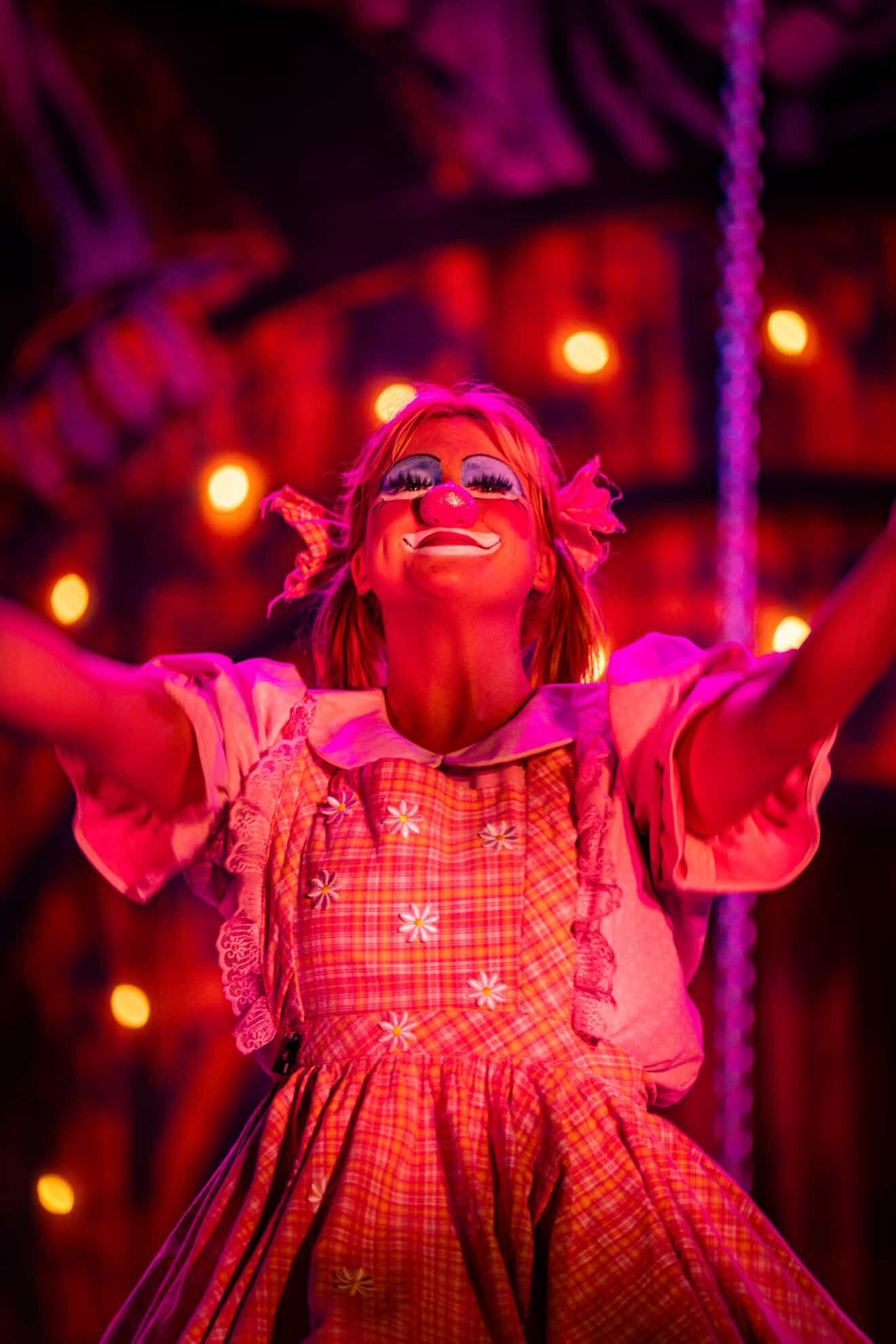
Among clown performers, the phrase has become something of a mantra.
“Mr. Flop is my friend,” she said with a laugh.
When a joke fails, the illusion of control disappears, the performance resets and the clown stands in front of the audience without pretense and begins again.
For Renze, learning to stay present in those moments reshaped how she approached the stage.
Her clowning career would eventually carry her abroad to attend a rigorous clown program in France before returning to Los Angeles to perform and teach while continuing to develop new material.
For Renze, clowning ultimately answered a question she had been circling since her earliest days onstage, when she could make a room laugh but still felt uncertain about where she fit within the expectations of femininity.
The stage revealed that the qualities she once believed placed her outside the traditional picture of beauty—her strangeness, her awkwardness and the parts of her personality that she tried to hide away—were never shortcomings at all. They were the very things audiences recognized, responded to and remembered.
“The clown is me,” she said. “It’s just a bigger version.”
Follow Molly’s personal IG @guaca.molly
And her silent clown trio @silentpartnerscomedy
You can find full sets of her clowning on her YouTube Channel
She will be performing and teaching at Jackalope Theater in Tulsa for Fest of Fools April 3-5, 2026.